

Riverside Airport Master Plan Study
The Riverside Airport (RAL) Master Plan Study is being undertaken to evaluate the airport's capabilities and role, to forecast future aviation demand, and to plan for the timely development of new or expanded facilities that may be required to fulfill that plan. An Economic Development Plan and an Airport Economic Impact Study will be completed alongside the Airport Master Plan.

About Riverside Airport
Riverside Airport (RAL), originally established in the 1920s as Arlington Airport, has a rich history in support of civil aviation since its acquisition by the City of Riverside in 1953. RAL was historically served by commercial airlines from the 1950s to as recently as 2007. Home to Civil Air Patrol (CAP) Riverside Senior Squadron 5 and California Baptist University’s aviation science program, the airport serves the Southern California Inland Empire region as a regional reliever airport. RAL is poised for continued growth and is expected to remain a vital transportation hub for the region.

Why Update the Plan?
The City of Riverside has contracted with Coffman Associates, a national airport planning firm, to prepare an update to the airport’s Master Plan. The Master Plan's aim is to properly plan for the timely development of the airport to ensure its continued viability from a functional, social, and environmental perspective.
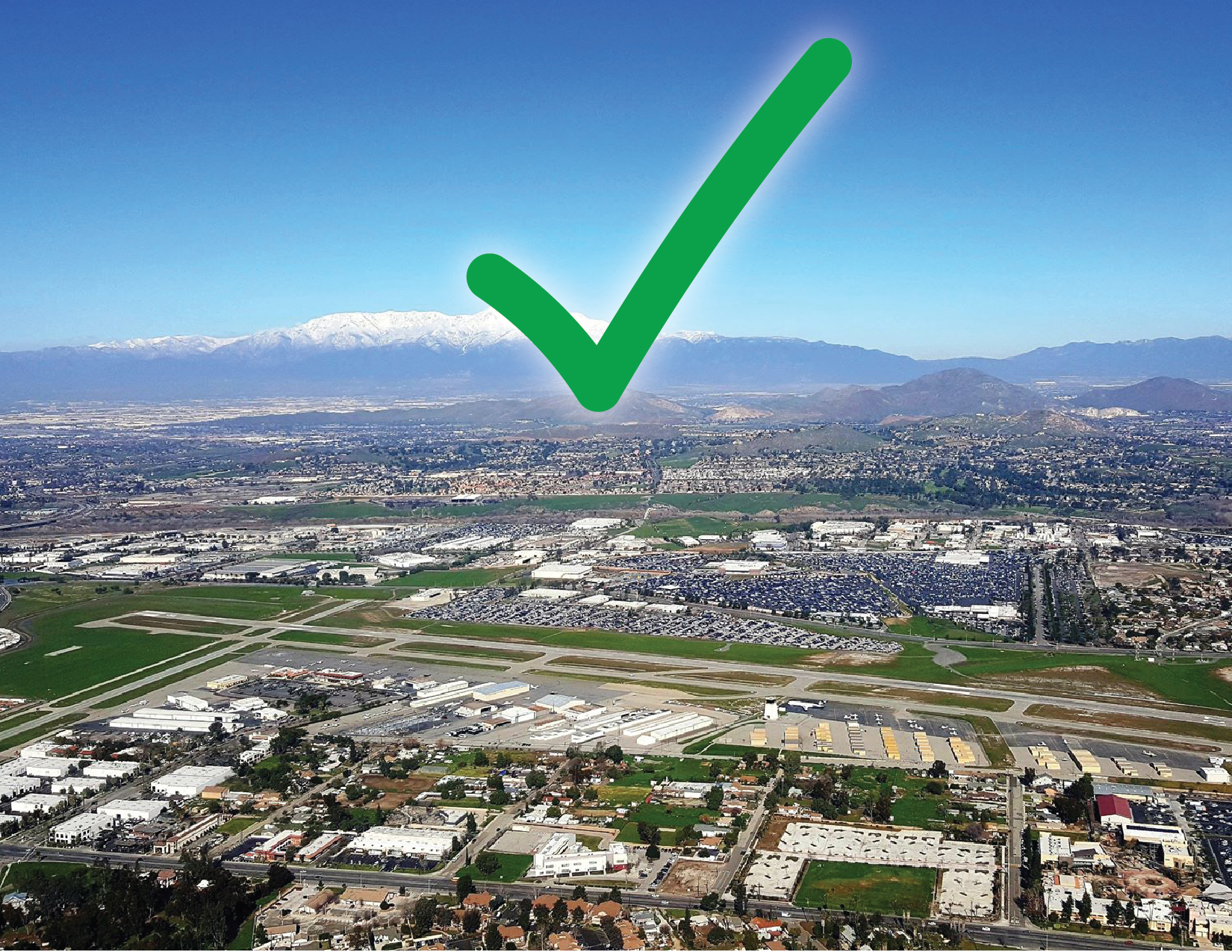
What a Master Plan is...
- A comprehensive, long-range study of the airport and all air and landside components that describes plans to meet FAA safety standards and future aviation demand.
- Recommended by the FAA to be conducted every 7-10 years to ensure plans are up-to-date and reflect current conditions and FAA regulations. The last master plan for RAL was completed in 2010.
- A local document that will ultimately be presented for approval to the City of Riverside. The FAA approves the Aviation Demand Forecasts and Airport Layout Plan (ALP) drawing set.
- An opportunity for airport stakeholders and the general public to engage with airport staff on issues related to the airport and its current and future operations, and environmental and socioeconomic impacts. Three public information workshops will be held over the course of the master plan study.

What an Master Plan is NOT
- A guarantee that the airport will proceed with any planned projects. Master plans are guides that help airport staff plan for future development; however, the need/demand for certain projects might never materialize.
- A guarantee that the City of Riverside, Caltrans, or the FAA will fund any planned projects. Project funding is considered on a project-by-project basis and requires appropriate need and demand. Certain projects may require the completion of a benefit-cost analysis.
- A binding or static plan. Elements of the master plan may be updated to reflect changes in aviation activity at the airport, economic conditions of the region, or the goals of the City of Riverside.
- Environmental clearance for specific projects. The master plan includes an environmental overview that identifies potential environmental sensitivities per the National Environmental Policy Act of 1969 (NEPA) guidelines. Most planned projects will require a separate NEPA study (environmental impact statement/environmental assessment/categorical exclusion) prior to construction.